
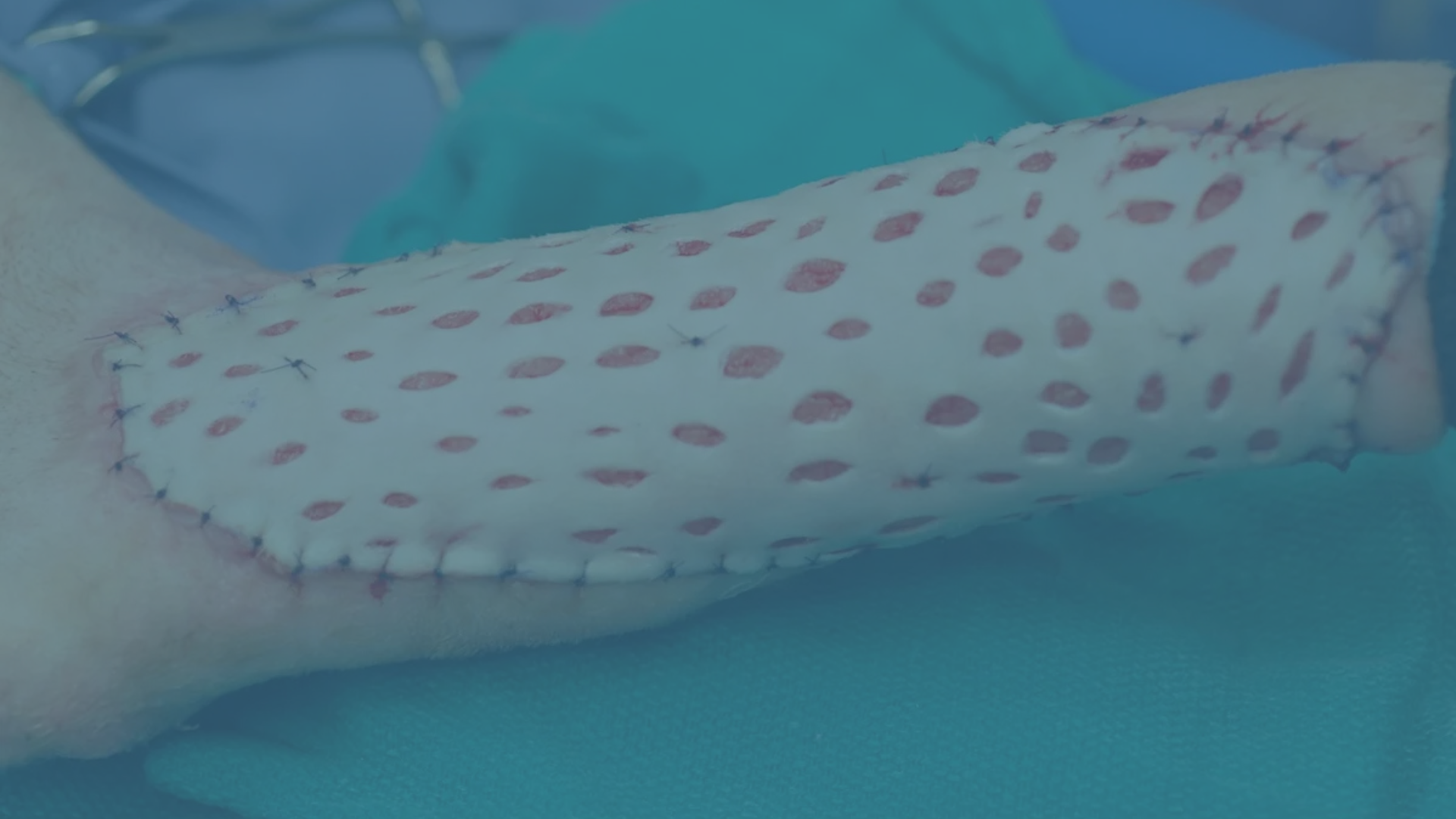
Skin Graft and Flap Complication Treatment in Raleigh, NC
Specialized Care for Compromised Surgical Reconstruction
Skin grafts and surgical flaps are delicate procedures designed to restore coverage and protect underlying tissue. When healing does not progress as expected, early intervention can be critical to preserving tissue and preventing further complications.
At Wound Care NC, we provide advanced treatment for skin graft and flap complications in Raleigh, NC. Our focus is stabilizing the area, supporting tissue viability, and coordinating care to protect surgical outcomes whenever possible.
Prompt evaluation is essential if there are concerns about graft or flap healing.
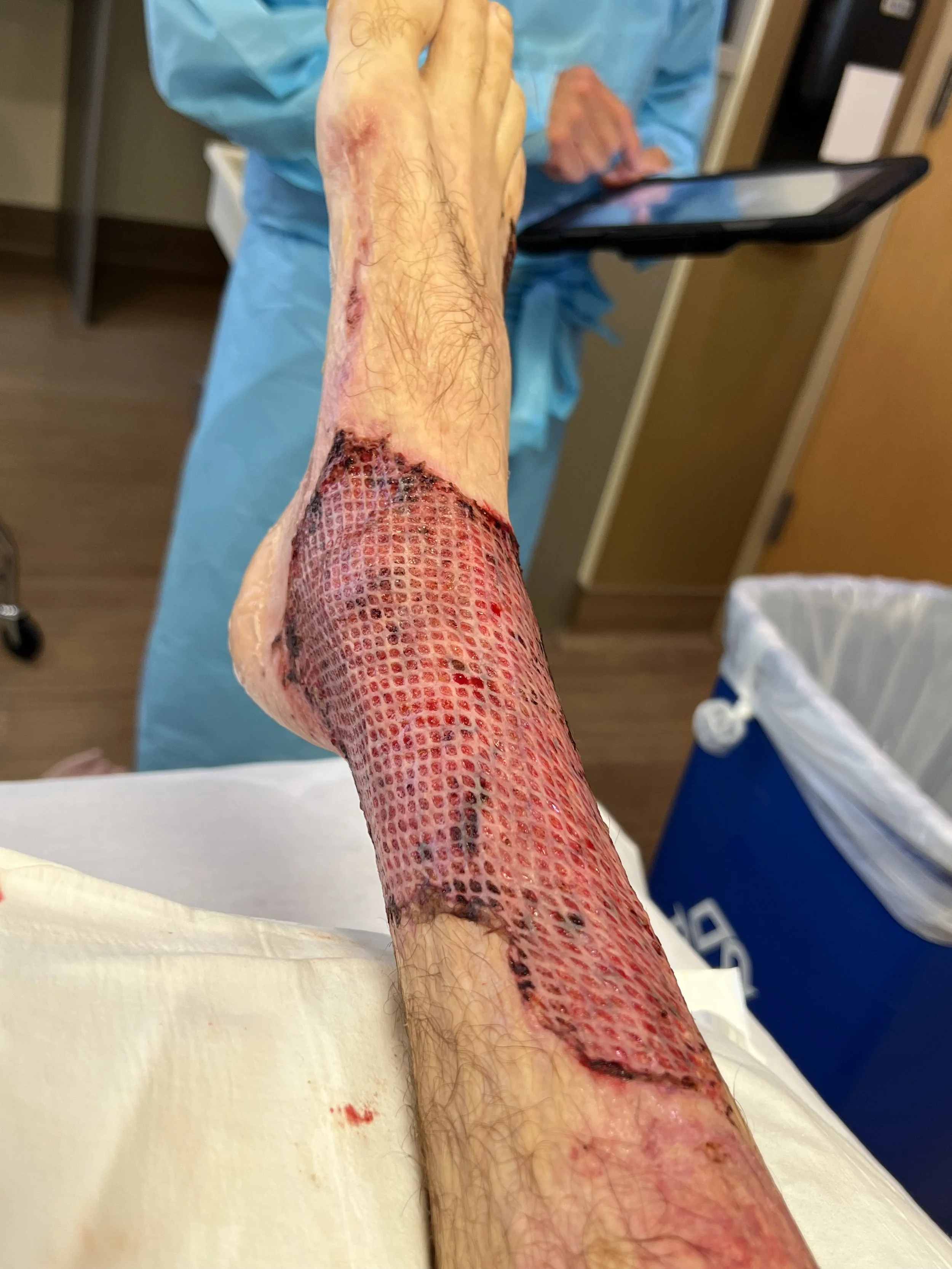
Understanding Skin Grafts and Surgical Flaps
Skin grafts and flaps are commonly used in:
Reconstructive surgery
Plastic and cosmetic procedures
Trauma repair
Burn treatment
Post-cancer reconstruction
Chronic wound coverage
These procedures rely on adequate blood supply to survive. When circulation is compromised or infection develops, tissue viability may be threatened.
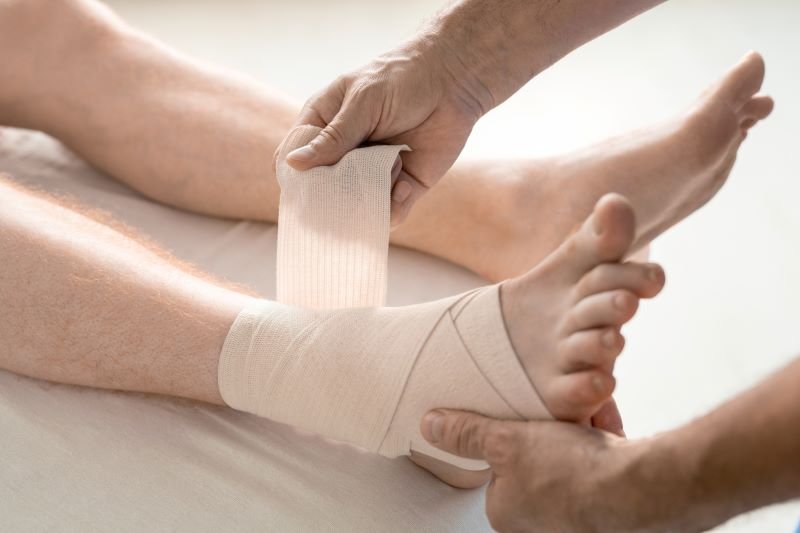
Why Complications Occur
Several factors can interfere with graft or flap survival:
Poor circulation
Infection
Diabetes
Smoking
Pressure or tension on the surgical site
Hematoma or fluid accumulation
Immune compromise
Often, prompt wound-focused intervention can stabilize the area before more extensive intervention is required.
Our Approach to Graft and Flap Complication Care
At Wound Care NC, we carefully evaluate both the surgical site and the underlying medical factors.
Treatment may include:
Careful removal of nonviable tissue when necessary
Advanced wound dressings
Infection management
Protection from pressure or trauma
Negative pressure wound therapy when appropriate
Coordination with the operating surgeon
Collaboration regarding hyperbaric oxygen therapy when indicated

Our goal is to protect viable tissue and support optimal healing.
Protecting Surgical Outcomes
Skin graft and flap complications can progress quickly if not addressed. Early evaluation can:
Preserve viable tissue
Reduce infection risk
Improve long-term cosmetic and functional outcomes
Prevent further surgical intervention
If there is any concern about healing, it is better to evaluate early rather than wait.
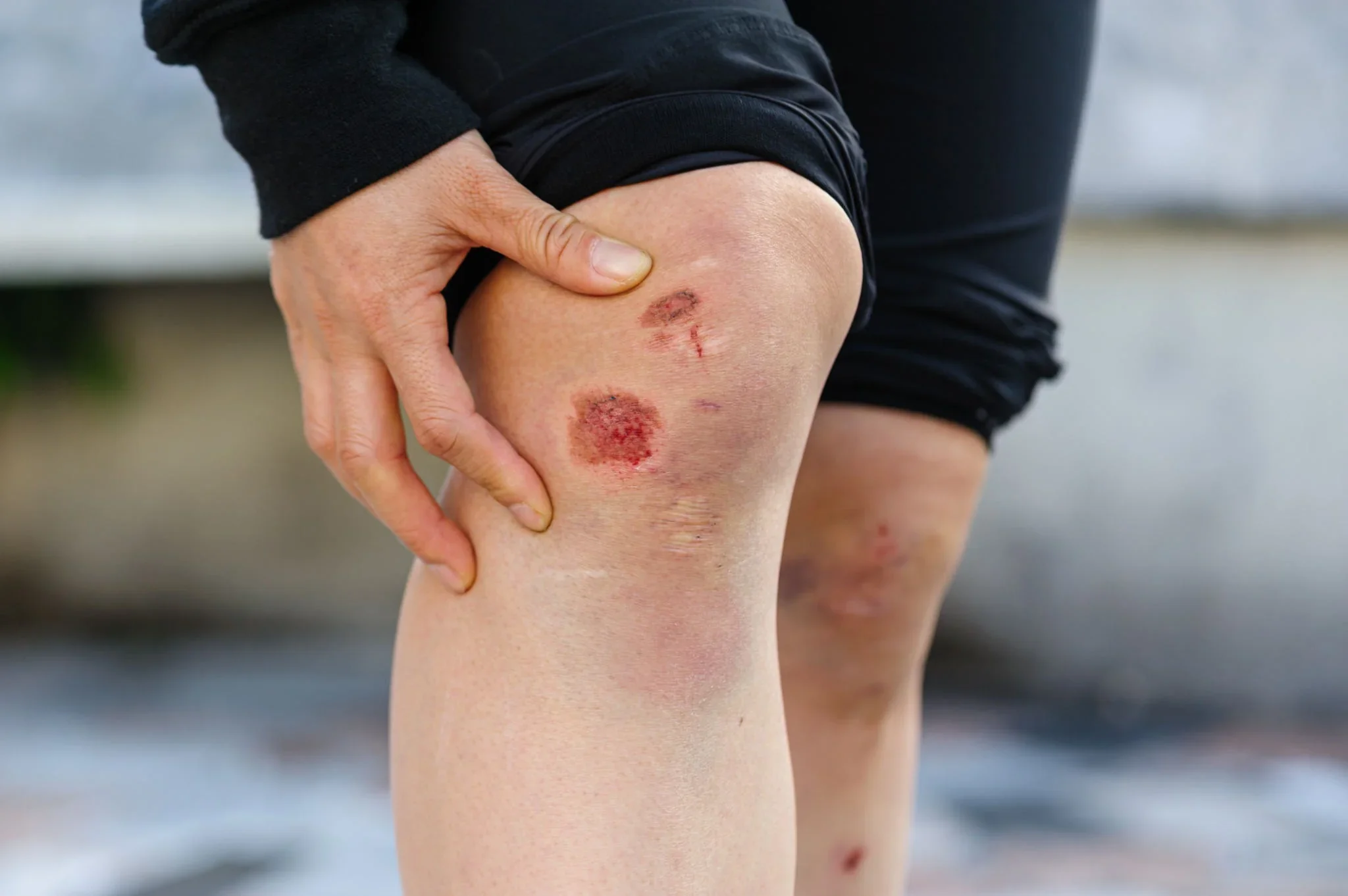
Coordinated Surgical Communication
When managing graft or flap concerns, communication with the surgical team is essential.
We collaborate closely with:
Plastic surgeons
Reconstructive surgeons
General surgeons
Trauma specialists
Referring providers
Clear communication ensures continuity of care and alignment in treatment planning.
Signs of Graft or Flap Complications
You should seek evaluation if you notice:
Darkening or discoloration of the graft

Increasing redness or swelling
Drainage or foul odor
Separation at the edges
Persistent pain
Areas that appear pale, dusky, or black
Delayed healing beyond expected recovery time
Early detection can improve the likelihood of salvaging compromised tissue.
Schedule an Evaluation in Raleigh
If you have undergone reconstructive surgery and are concerned about graft or flap healing, specialized wound care may help stabilize and support recovery.
Contact Wound Care NC today to schedule an evaluation.