
Arterial Ulcer Treatment in Raleigh, NC
Specialized Care for Circulation-Related Wounds
Arterial ulcers develop when blood flow to the legs or feet is reduced. Without adequate circulation, tissue does not receive the oxygen and nutrients necessary for healing. Even small wounds can become painful, slow to close, and at risk for serious complications.
At Wound Care NC, we provide advanced arterial ulcer treatment in Raleigh, NC. Our goal is to evaluate circulation concerns, protect vulnerable tissue, and support safe, effective healing through coordinated care.
Early assessment is critical for protecting limb health.
What Causes Arterial Ulcers
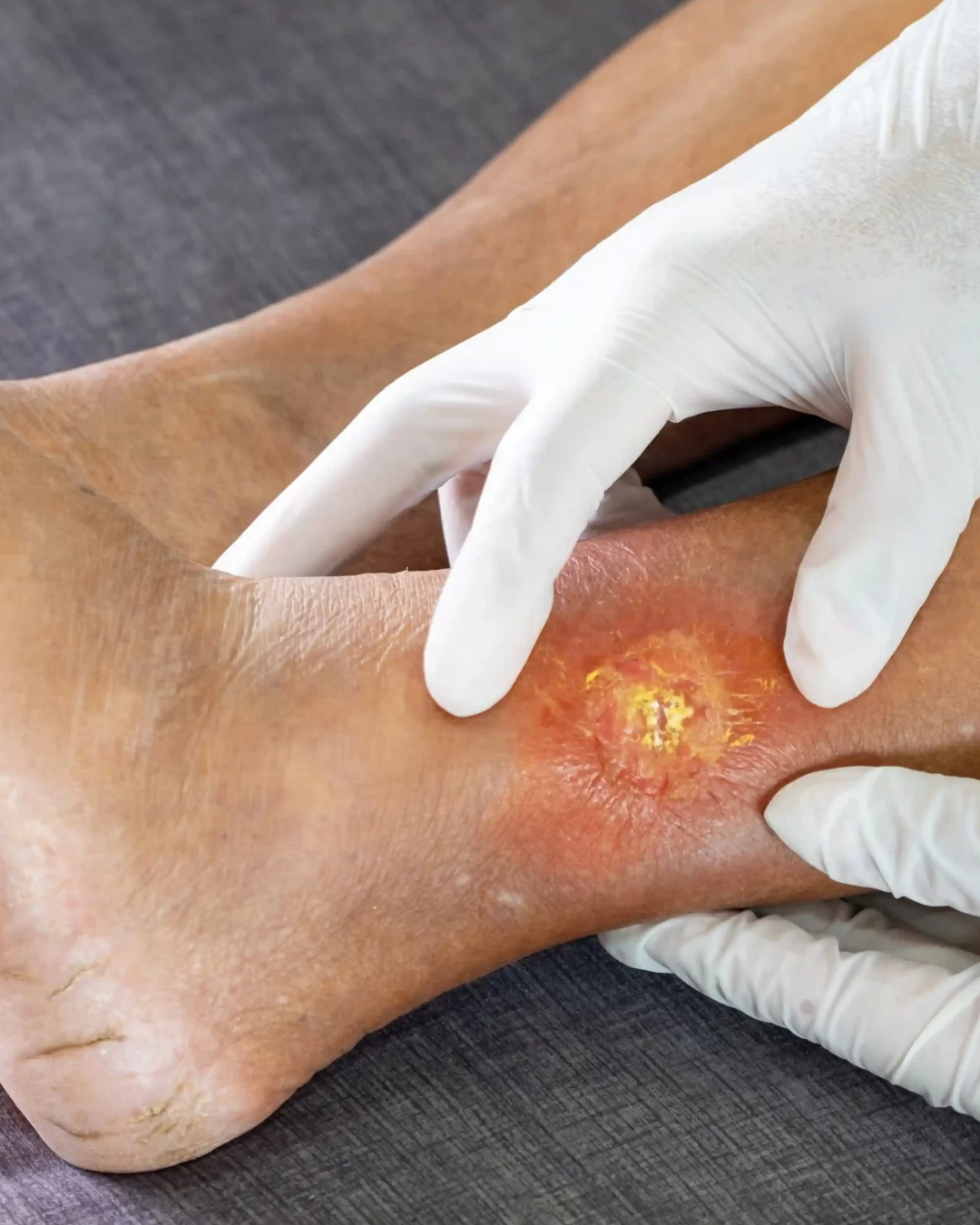
Arterial ulcers are most commonly associated with peripheral arterial disease (PAD) — a condition in which narrowed or blocked arteries reduce blood flow to the lower extremities.
Risk factors include:
Peripheral arterial disease
Diabetes
Smoking history
High blood pressure
High cholesterol
Atherosclerosis
Prior vascular procedures
When circulation is impaired, the skin becomes fragile and more vulnerable to breakdown. Minor pressure or trauma can lead to an open wound that struggles to heal.
How Arterial Ulcers Typically Appear
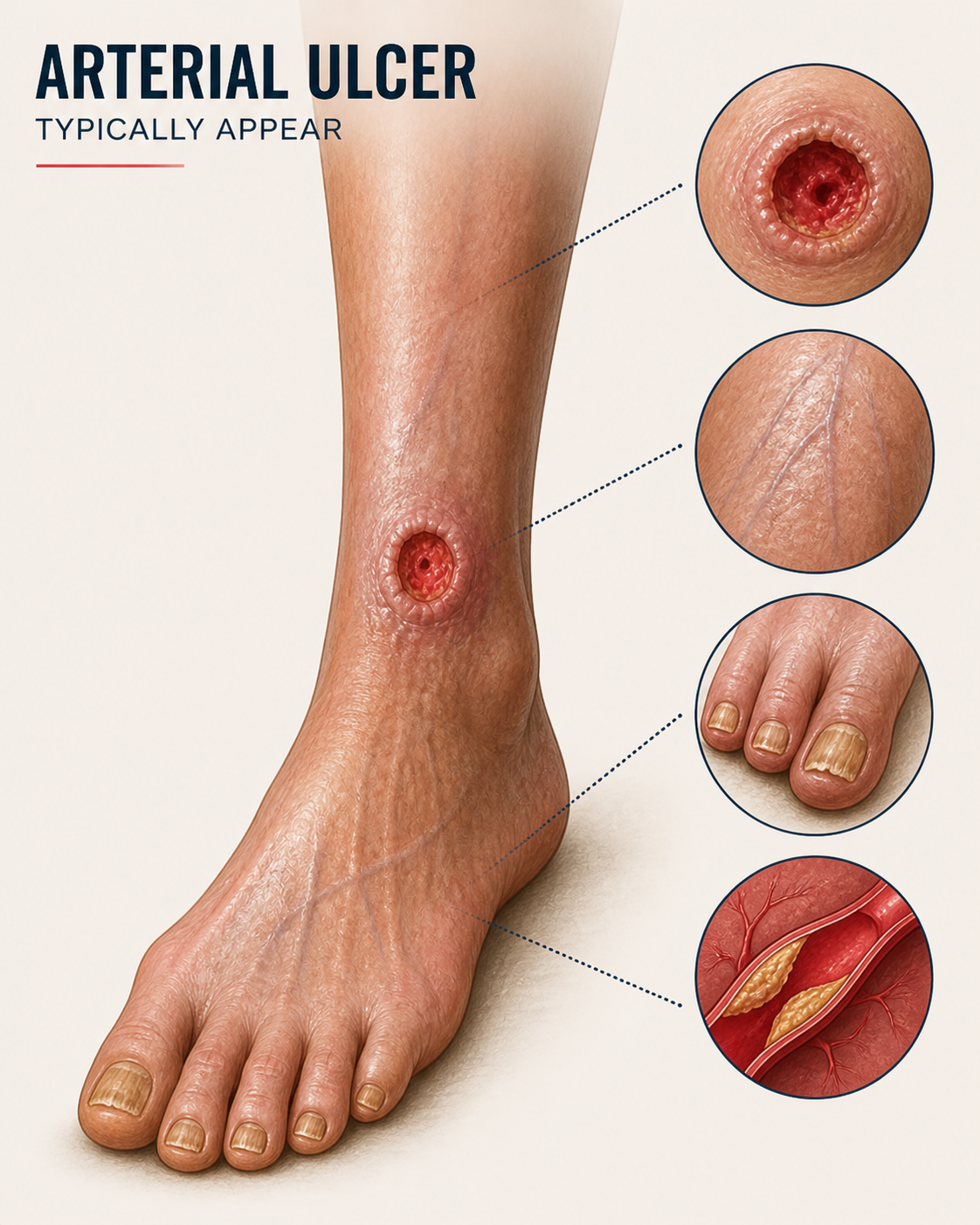
Arterial ulcers often have distinct characteristics. They may:
Develop on the toes, heels, or outer ankle
Appear pale, yellow, or dark in color
Show blackened or necrotic tissue
Have minimal drainage
Feel cool to the touch
Cause significant pain, especially at night
Pain that improves when the leg is lowered and worsens when elevated is a common sign of circulation-related wounds.
Proper diagnosis is essential, as treatment differs from other ulcer types.
Our Approach to Arterial Ulcer Care
Effective arterial ulcer treatment begins with understanding the level of circulation impairment.
At Wound Care NC, we evaluate:
The wound’s depth and severity

Signs of infection
Surrounding tissue health
Underlying vascular status
Threatment may include:
Careful wound debridement when appropriate
Advanced dressings designed to protect fragile tissue
Infection management
Pain management strategies
Coordination with vascular specialists for circulation assessment
Collaboration regarding revascularization procedures when necessary

In many cases, improving blood flow is essential before full healing can occur. We work closely with referring providers to ensure comprehensive care.
Preventing Tissue Loss and Complications
Because arterial ulcers result from poor blood supply, they can worsen quickly if left untreated.
Specialized management can help:
Protect surrounding healthy tissue
Improve comfort
Support limb preservation
Prevent progression to more severe tissue damage
Reduce infection risk
Our focus is always limb preservation and safe recovery.
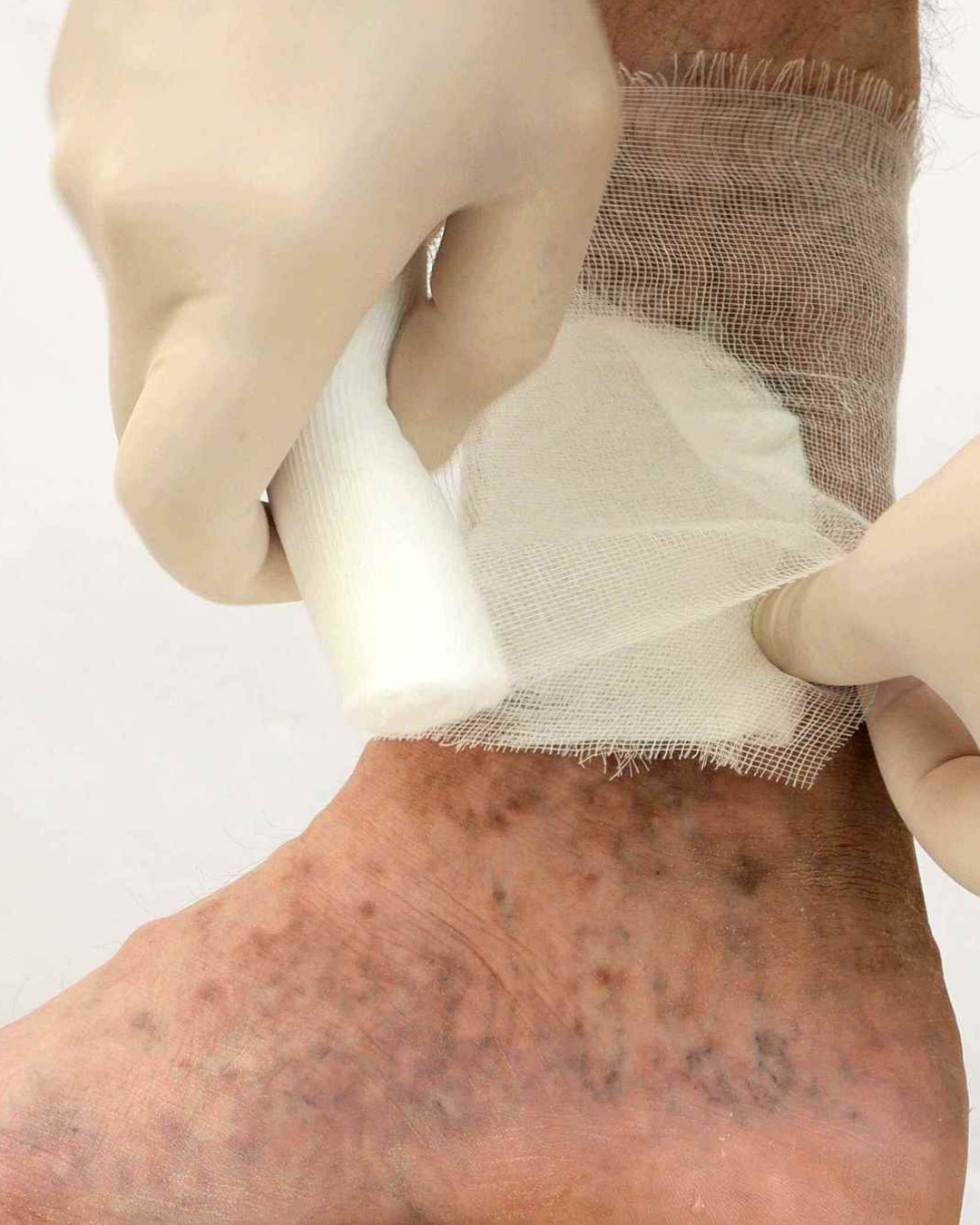
Arterial wound healing often requires collaboration between wound specialists and vascular providers.
We work closely with:
Vascular surgeons
Primary care physicians
Endocrinologists
Podiatrists
Clear communication between providers ensures both the wound and the underlying circulation issue are addressed.
Coordinated Vascular and Wound Care in Raleigh
When to Seek Immediate Evaluation
You should schedule an evaluation promptly if you notice:
A wound on the foot or lower leg that is not healing
Increasing pain in the wound area
Black or darkened tissue
Cold or pale skin around the wound
Leg pain when walking that improves with rest
A history of vascular disease and a new wound
Arterial ulcers carry a higher risk of serious complications due to limited oxygen supply to the tissue. Early intervention can significantly improve outcomes.
Schedule an Arterial Ulcer Evaluation in Raleigh
If you have a wound on your foot or lower leg and a history of circulation problems, do not wait for it to worsen.
Specialized arterial ulcer treatment can protect tissue, reduce complications, and support safe healing.
Contact Wound Care NC today to schedule an evaluation.